
The Power of Narrating Reality
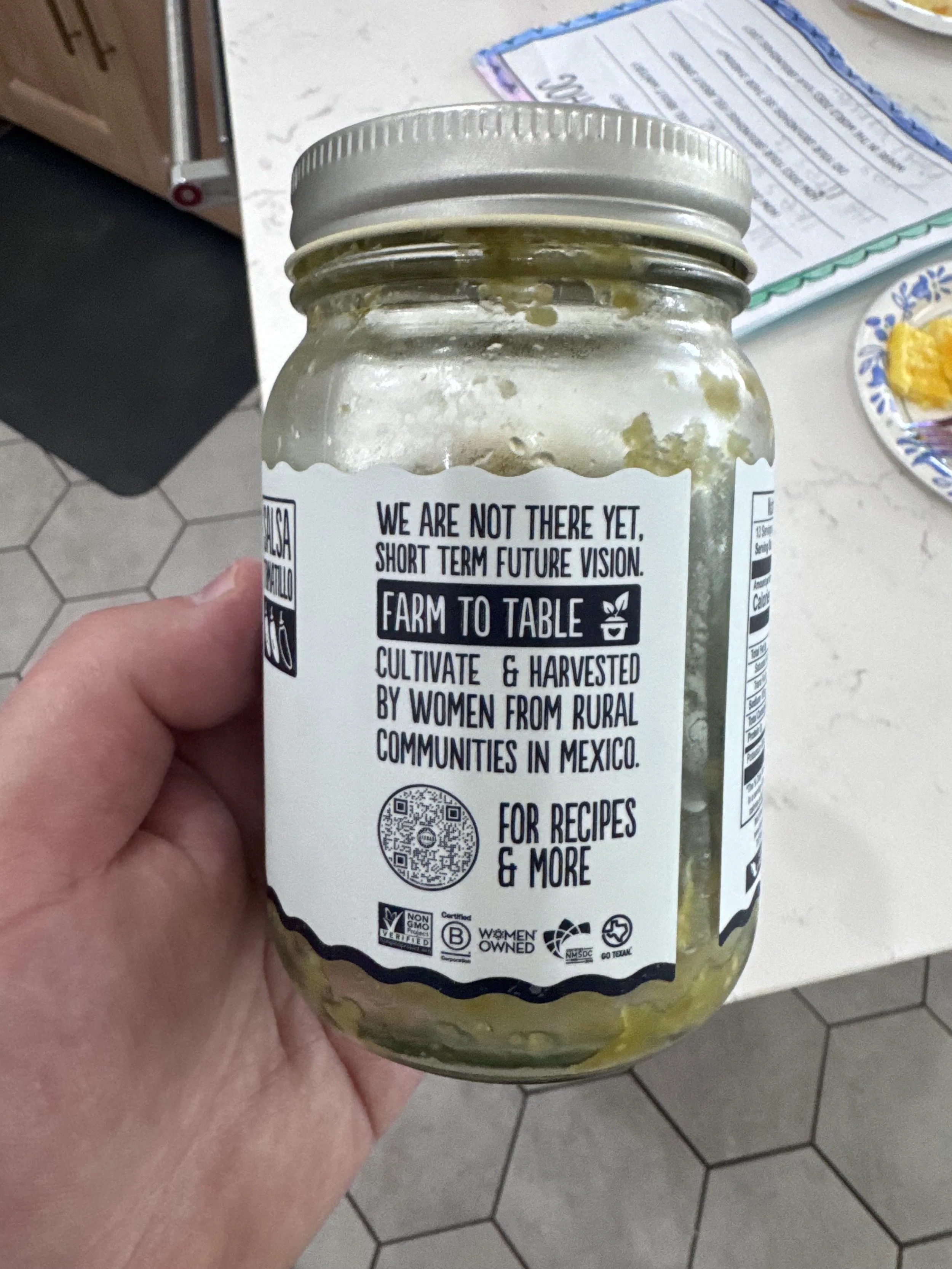
We are not there yet.
Did you notice the label on that jar of salsa? It stopped me in my tracks: "We are not there yet. Short term future vision."
It was a refreshing moment of radical honesty.
Tatemada’s larger vision is a fully realized "Farm to Table" operation, cultivating and harvesting through women in rural communities in Mexico. The vision is ambitious and inspiring, but they aren't pretending to be there yet. In a world of marketing that demands perfection and polished narratives, this brand chose to be transparent about exactly where they are in their journey.
This is the power of narrating reality, and it is one of the most effective tools a leader has.
Too often leaders believe their role is to project certainty, especially when the path ahead is fuzzy. They retreat into silence to avoid "worrying" the team, but that silence creates an anxiety vacuum that people will inevitably fill with fear, assumptions, or distrust.
I first learned about the power of narrating reality from my friend Kindra Green Carson, who had been influenced by Brené Brown. Brown speaks often about the leader’s role in "rumbling with vulnerability" and uncertainty rather than pretending everything is under control.
Kindra taught me that when your team faces change, stress, or ambiguity, they aren't just asking "What do I do?"; they’re asking:
"What does this mean?"
"What’s really going on?"
"Are we okay?"
Narrating Reality
Strong leadership narrates reality. This isn’t about spinning the truth or over-explaining. It’s about helping people locate themselves inside the moment. While the common tendency is to retreat until all the answers are clear, that is precisely when your team needs you to speak.
A leader who narrates well provides clarity by saying:
· What we know: "Here’s what we know right now."
· What is unresolved: "Here’s what’s unclear."
· Empathy: "Here’s why this feels hard."
· Priorities: "Here’s what matters most in this season."
· Path forward: "Here’s how we’re going to move forward together."
Supporting Through Inflection Points
During inflection points your team needs you to anchor them. They need you to help them understand:
· The season: What season they’re in.
· The context: What the pressure means.
· The shift: What must change.
· The foundation: What must stay anchored.
· The purpose: Why the work still matters.
I have commented in previous posts on the importance of making meaning; during difficult seasons, that work becomes even more important.
Take a moment today to survey your current landscape. What is one "uncertainty" you’re experiencing that, if narrated clearly, would turn your team’s anxiety into aligned, purposeful action? Write it down, then share it with those who rely on your perspective.